


Our Cocoa Plantations in Ecuador
What if great chocolate started long before the workshop?
At Jeff de Bruges, we are chocolatiers and cocoa growers: the cocoa beans used to craft our couverture chocolate come from our own plantations in Ecuador. Because to us, truly good chocolate cannot exist without a commitment to human and environmental fairness.
Being a cocoa grower means choosing mastery and responsibility at every step of the journey: traceability, quality, and a strong human and environmental commitment.
The result: chocolate that is carefully nurtured throughout the entire process, so we can offer great taste, outstanding quality, at the right price, and above all… wonderful moments to share, with a clear conscience.
The Cocoa Journey
Our plantations are located near Guayaquil, Ecuador, in South America: an area renowned for providing ideal conditions for cocoa trees to thrive. What makes them truly unique is the expertise of our growers, passed down from generation to generation, preserving the traditions of exceptional cocoa.
PlantingIt all begins with the birth of the cocoa trees, then their growth at the natural rhythm of the land. Because what matters to the land matters to us too. We favour thoughtful, responsible farming practices that respect local biodiversity, in order to honour this exceptional terroir. |
|

Caring for the treesPruning, irrigating, observing, fine-tuning… Every day brings its own set of careful gestures to support the cocoa trees and safeguard the quality of the beans. Our plantations receive the same attention to detail as the chocolate we craft for you. |
|

HarvestingPicking the cocoa pods is a defining step in the story of our chocolate. It takes precision, patience, and true expertise. The long-term vitality of our crops depends on responsible land stewardship. Once again, nature sets the pace and we work in harmony with it. |
|

Pod openingEach cocoa pod is opened to reveal and collect the beans inside. The emptied shells are then transformed into compost to enrich the soil. The land is also shaped to improve drainage and reduce water waste. Every action is designed to protect natural resources and make sure they last. |
|


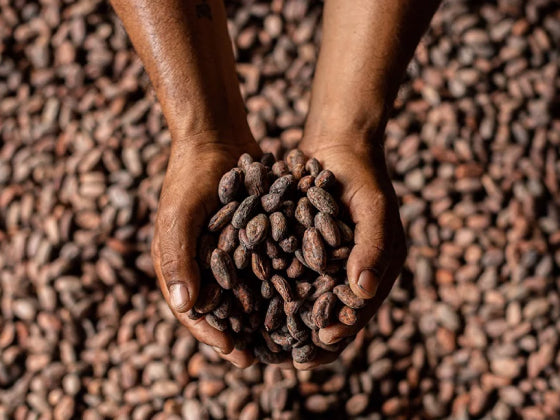
Fermenting & dryingThis is a crucial step: it’s where the cocoa’s aromas and character truly develop. Each day, the beans are turned and checked to ensure fermentation is steady, precise, and perfectly even. Constant care, in the service of intensity. |
|

Quality controlRigor and precision are essential in what we do. Each batch of beans is inspected and identified to ensure full traceability. For every batch, a sample of beans is selected, cut open, and assessed for its sensory qualities. Here it's our grower's expertise guiding every decision. |
|

BaggingAfter inspection, the dried beans are bagged and recorded. On average, around 210 days pass between the first flower on the tree and the moment the beans are bagged. Patience is an essential part of exceptional cocoa. TransportThe beans then travel by sea to our workshops in Belgium, where they will be transformed into cocoa mass. And this is only the beginning as several more steps still lie ahead before they become the chocolates you enjoy. |
|

Our workshops, passionately chocolate! |
In our workshops, it isn’t the machines that lead the way. it is a place given to imagination, craftsmanship, and true expertise.
Transform. Create. Share.
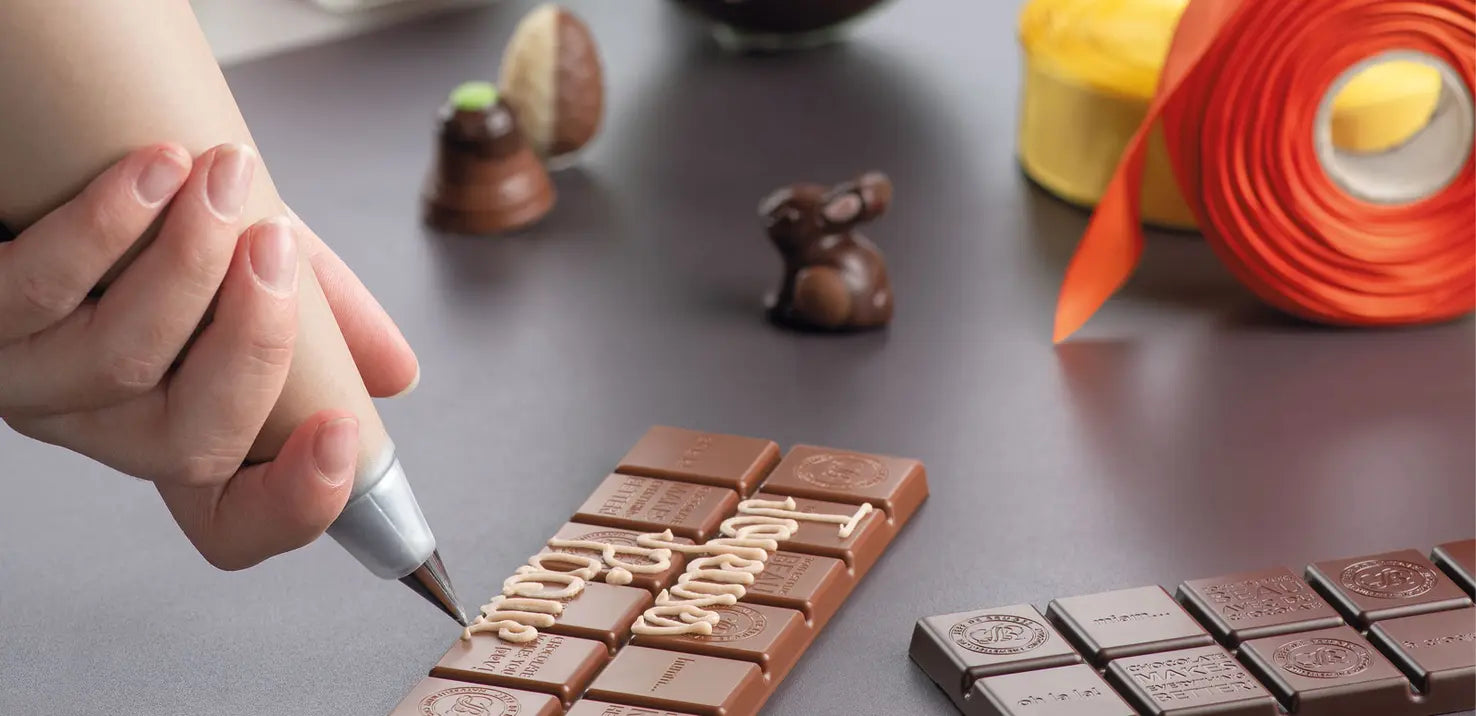
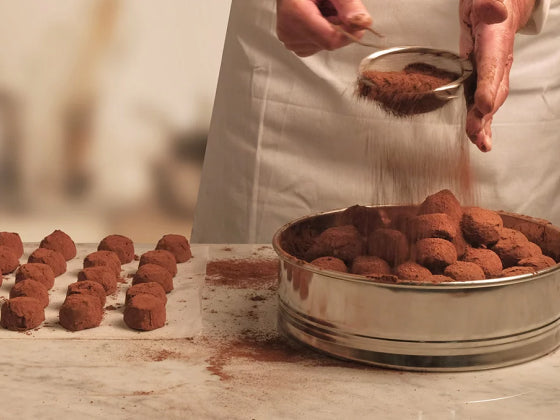
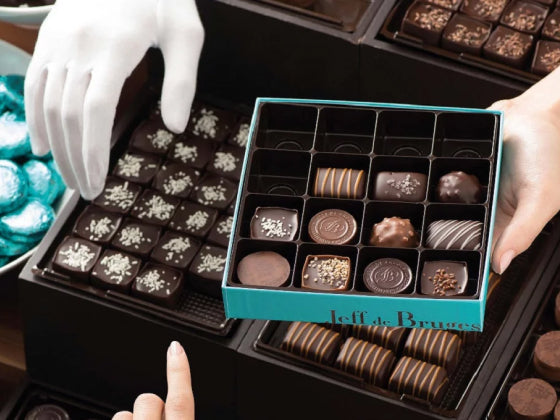
Moulded, enrobed… Through a series of rigorous steps, where technique meets a touch of magic, our master chocolatiers transform cocoa mass into chocolate, before it finds its way to our boutiques.
Owning our own plantations is a true advantage: it supports the quality of our couverture chocolate, strengthens a more responsible approach, and ensures a supply chain that is more closely managed and fair.
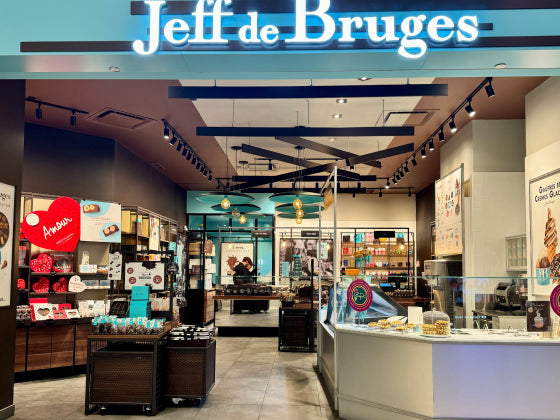
You now know what lies behind the box of chocolates you couldn’t resist. Don't forget, you're invited to our stores to discover new flavours, recognize the aromas, and savour the textures every day* !